No recycled spec sheets or "we recommend everything" lists. Just honest takes on which mesh systems are worth buying in 2026 — and which ones are not — based on real coverage, setup experience, and value.
Read the Buyer's GuideMost people buy too much router and too little mesh. Coverage and backhaul matter more than headline speed for most homes.
WiFi 6E adds the 6GHz band — real improvement in dense neighborhoods. But WiFi 6 still covers most households well at lower cost.
Dual-band is fine for under 2,000 sq ft with light use. Tri-band earns its cost in larger homes or high-device-count households.
You do not need to spend $500 for whole-home coverage. Some of the best values are under $200 per node.
The pages most buyers should read first before spending anything.
Top-ranked systems across all price points. Updated as new models ship and old ones get long in the tooth.
3,000+ sq ft coverage without dead zones. These tri-band systems are worth the step up if size is your constraint.
Solid coverage for under $200. Not all budget options are worth buying — these are the ones that are.
Low latency, reliable backhaul, and QoS that actually works. Gaming mesh is a real category with real trade-offs.
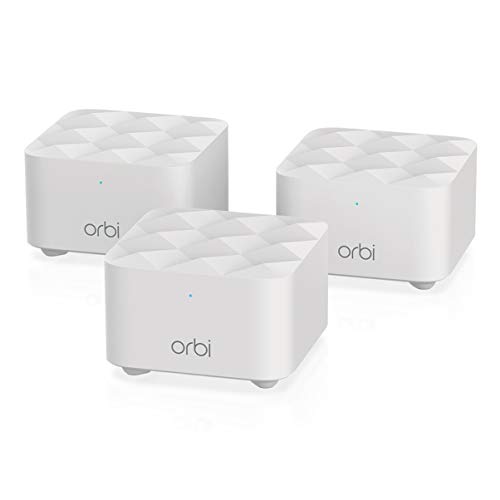
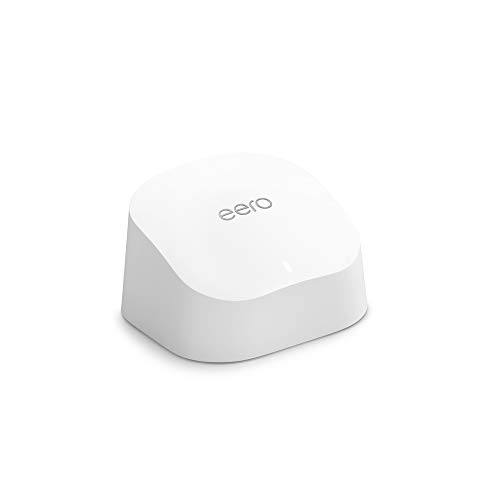
Netgear Orbi vs Amazon Eero — the two biggest names in mesh WiFi head to head. One wins on power, one on simplicity.
WiFi 6 vs 6E, tri-band vs dual-band, coverage math, and the specific questions to answer before you buy.
Most people should not buy the most expensive mesh system available. The real decision is: how large is your home, how many devices do you have, and are you in a densely populated area where the 6GHz band on WiFi 6E makes a real difference? Answer those three questions and the right choice is usually obvious. We build every guide around those decision points, not spec-sheet rankings that feel impressive but do not help you spend less.